The post For_Res. Management options to promote forest resistance to multiple threats. Ministerio de Ciencia, Innovación y Universidades (MICINN, RTI2018-098778-B-I00 ). 2019-2021 first appeared on Ecology and management of silvopastoral systems.
]]>
 Funding Agency: Programa Estatal de Investigación, Desarrollo e Innovación Orientada a los Retos de la Sociedad (MICINN, SPAIN)
Participating organizations: CTFC
Duration, from: 2019 to: 2021
PI: Piqué M., Casals P.
Subproject Researchers: Dr. Jordi Camprodon; David Guixé; Mario Beltran
Project goals:
The post For_Res. Management options to promote forest resistance to multiple threats. Ministerio de Ciencia, Innovación y Universidades (MICINN, RTI2018-098778-B-I00 ). 2019-2021 first appeared on Ecology and management of silvopastoral systems.
]]>The post Est_Res. Response strategies of Mediterranean woodlands to natural or anthropogenic disturbances. Ministerio de Economía y Competitividad (MINECO, AGL2015-70425-R). 2016-2018 first appeared on Ecology and management of silvopastoral systems.
]]>
 Funding Agency: Programa Estatal de Investigación, Desarrollo e Innovación Orientada a los Retos de la Sociedad (MINECO, SPAIN)
Participating organizations: CTFC
Duration, from: 2016 to: 2018
PI: Coll Ll., Casals P.
Subproject Researchers: Dr. Pere Rovira; Dra. Miriam Piqué; Dr. Jordi Garcia-Pausas; Dr. Aitor Ameztegui; Dr. John-William Shipley
Project goals:
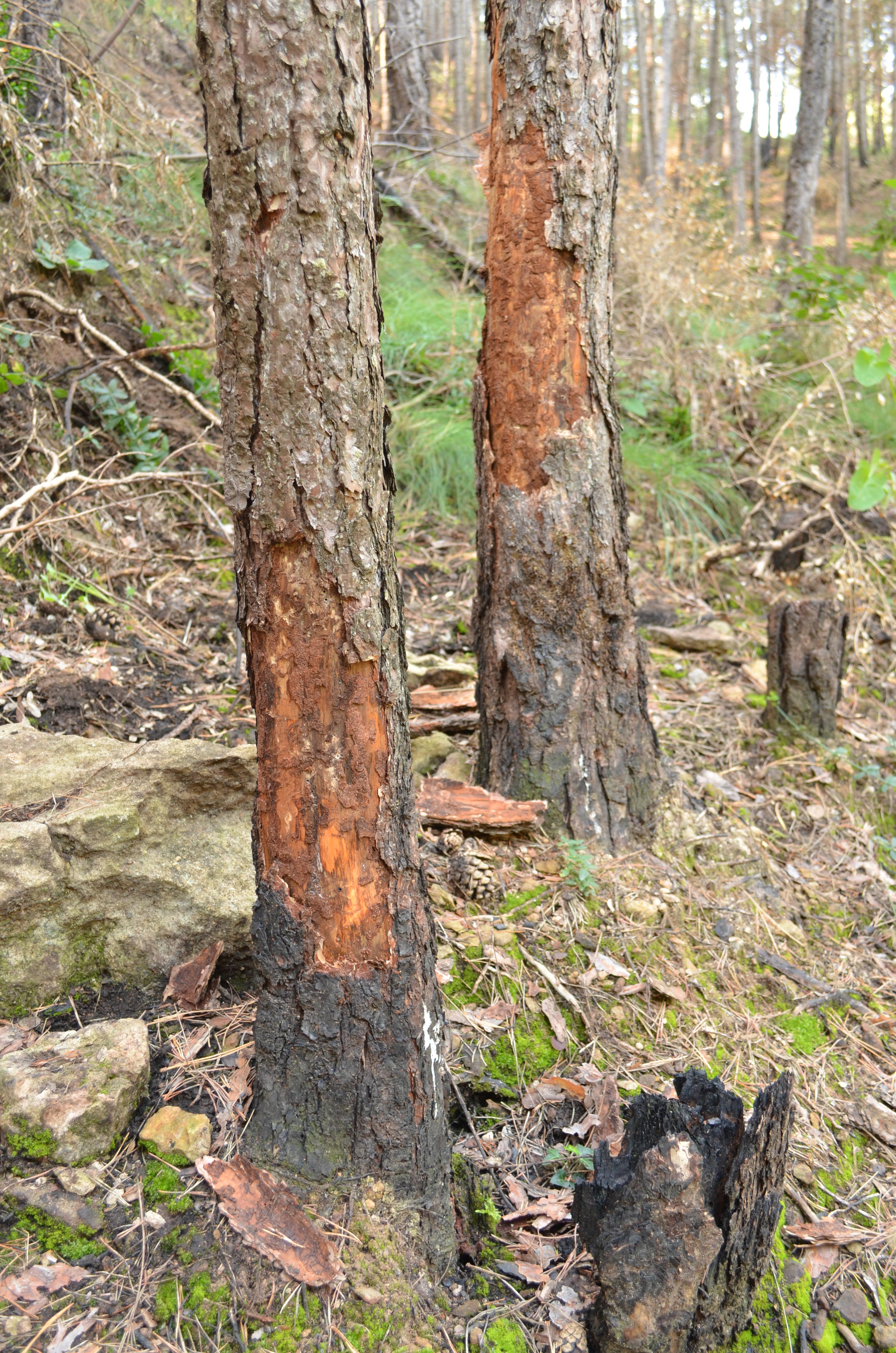
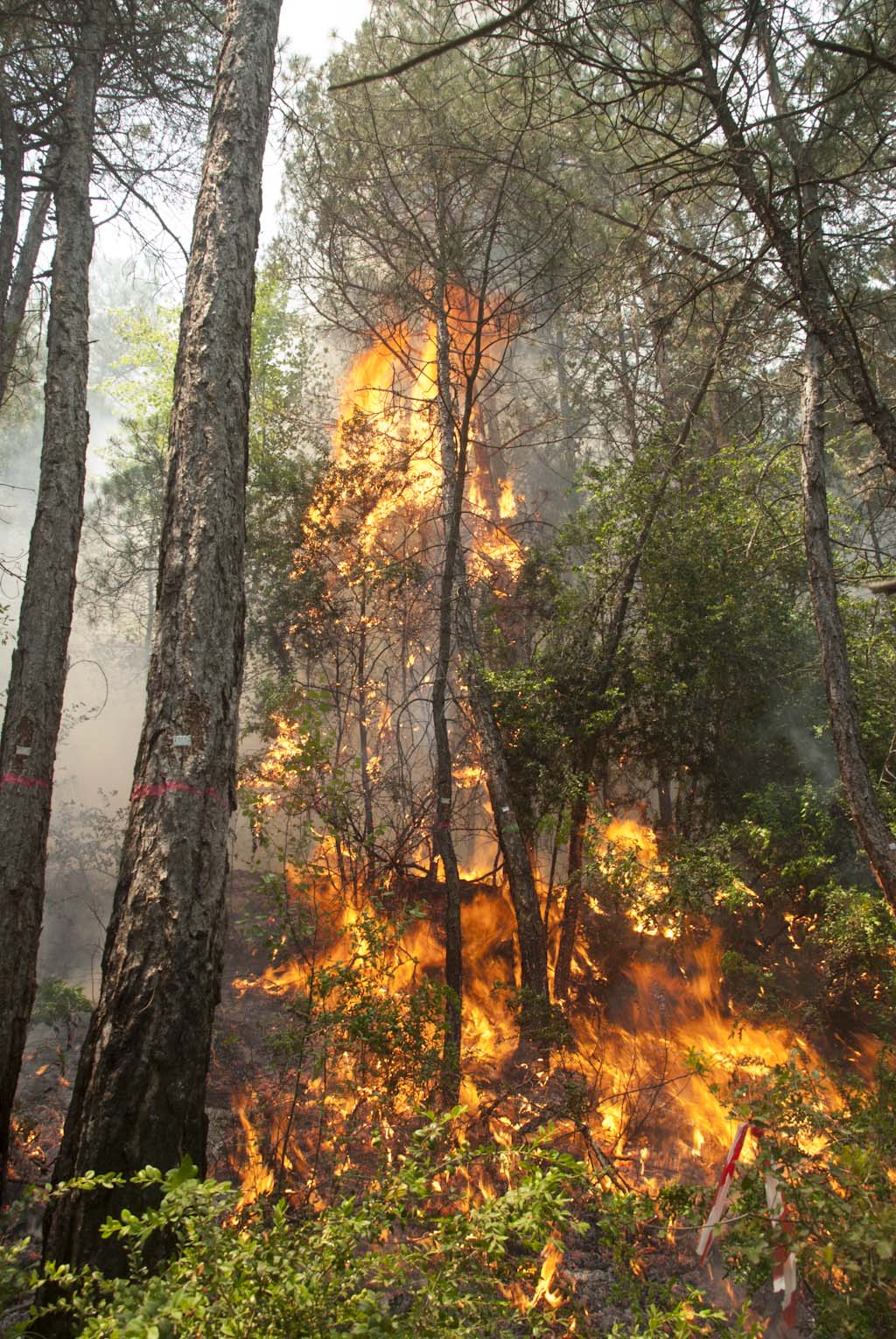
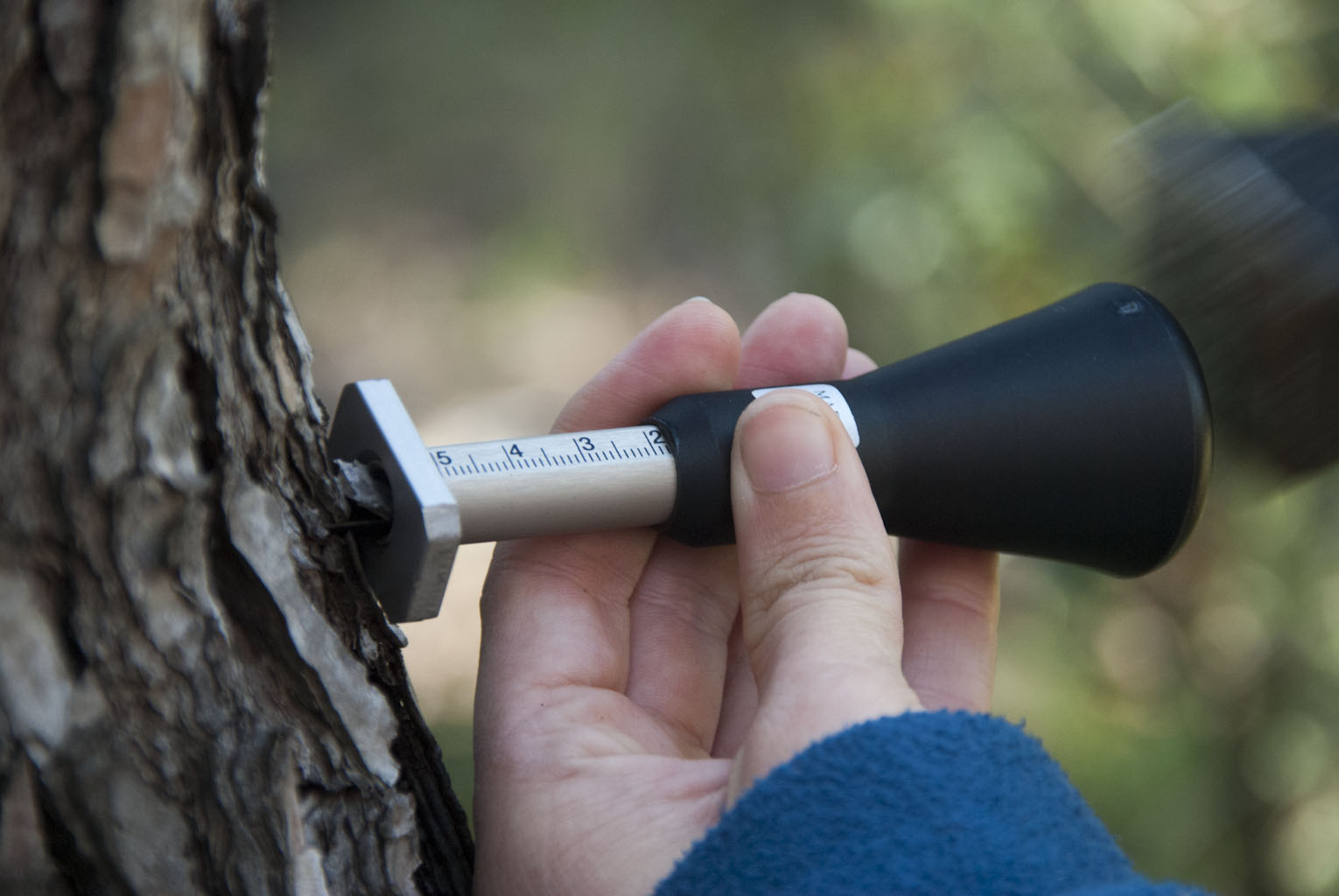
Climate change is expected to intensify the disturbance regime to which Mediterranean woodlands will be exposed. In this context, the implementation of management strategies oriented to enhance the adaptability of these systems to change is increasingly considered by forest agencies. In general, promoting the structural and compositional heterogeneity of forests stands is considered to increase their resilience face to disturbances. However, there is still few understanding on how the climatic and land-use changes (increasing temperature and drought, forest densification) can modulate the capacity of forest species to respond to disturbances. EST_RES aims at advancing in the comprenhension of the role of different environmental factors and the type of disturbance on the expression of response-strategies in Submediterranean woody species. Because the relative abundance of sprouting species is predicted to increase in these ecosystems, EST_RES will particularly focus on this response-strategy analyzing the main drivers of its expresion and the consequences for some key attributes of the soil.
Specific objectives of EST_RES are:
§ To contribute to discern the drivers of resprouting vigor of Submediterranean woody species
§ To characterise the mid-term post-fire dynamics of forest systems composed by contrasted proportions of resprouters and seeders
§ To determine the role of woody resprouting species on the dynamics of soil organic matter
§ To assess the persistence of forest stands in front to perturbations of forest stands with different composition of response strategies.
EST_RES will develop an interdisciplinary and multi-scale approach, with experiments in natural and controlled conditions. It will also take advantage of experimental sites established in the context of previous projects by the researchers involved on it. Finally the project will use all the knowledge gathered in these activities (together with existing bibliographic information) to develop indicators of forest persistence based on the structural and compositional characteristics of the stands useful for forest managers.
Related Papers:
Casals P, Valor T, Rios A I, Shipley B. 2018 Leaf and bark functional traits predict resprouting strategies of understory woody species after prescribed fires. For.Ecol.Manage. 429, 158-174.
Casals P, Rios AI. 2018. Burning intensity and low light availability reduce resprouting ability and vigor of Buxus sempervirens L. after clearing. Sci. Total Environ. 627c, 403-416
Valor T, Casals P, González-Olabarria JR, Piqué M, Battipaglia G. 2018. Disentangling the effects of crown scorch and competition release on the physiological and growth response of Pinus halepensis Mill using δ13C and δ18O isotopes. For. Ecol. Manage. 424, 276-287
Valor T, González-Olabarria JR, Piqué M, Casals P. 2017. The effects of burning season and severity on the mortality over time of Pinus nigra ssp. salzmannii (Dunal) Franco and P. sylvestris L. For. Ecol. Manage. doi:10.1016/j.foreco.2017.08.027
Valor T, Ormeño E, Casals P. 2017. Temporal effects of prescribed burning on terpene production in Mediterranean pines. Tree Physiology, doi:10.1093/treephys/tpx069
KEY WORDS: response traits, resilience, fire, mixed-forests, resprouting, post-disturbance dynamics, soil function


The post Est_Res. Response strategies of Mediterranean woodlands to natural or anthropogenic disturbances. Ministerio de Economía y Competitividad (MINECO, AGL2015-70425-R). 2016-2018 first appeared on Ecology and management of silvopastoral systems.
]]>The post Teresa Valor first appeared on Ecology and management of silvopastoral systems.
]]>
Dra. Teresa Valor Ibars. PhD.
Research Scientist working to contribute to the understanding of management-driven mechanisms determining forest composition, structure and dynamics. Her PhD focuses on the study of the short and medium term effects of prescribed burning on Mediterranean pines. Specifically, she aims to understand the mechanisms driven by fire that affects the primary and secondary metabolism of pine species. She has broad experience on dendrocronology and gas chromatography techniques, and on the use of stable isotope dendrochronology to extract information about the physiological responses of trees to environmental stressors. The ultimate goal is to contribute to the scientific basis for optimizing the burning prescription in order to achieve management objectives and minimize the negative effects on the ecosystem.
Selected papers:
Valor T, Casals P, González-Olabarria JR, Piqué M, Battipaglia G. 2018. Disentangling the effects of crown scorch and competition release on the physiological and growth response of Pinus halepensis Mill using δ13C and δ18O isotopes. For. Ecol. Manage. 424, 276-287
Casals P, Valor T, Rios A I, Shipley B. 2018 Leaf and bark functional traits predict resprouting strategies of understory woody species after prescribed fires. For.Ecol.Manage. 429, 158-174.
Valor T, González-Olabarria JR, Piqué M, Casals P. 2017. The effects of burning season and severity on the mortality over time of Pinus nigra ssp. salzmannii (Dunal) Franco and P. sylvestris L. For. Ecol. Manage.doi:10.1016/j.foreco.2017.08.027
Valor T, González-Olabarria JR, Piqué M, Casals P. 2017. The effects of burning season and severity on the mortality over time of Pinus nigra ssp. salzmannii (Dunal) Franco and P. sylvestris L. For. Ecol. Manage. doi:10.1016/j.foreco.2017.08.027
Valor T, Ormeño E, Casals P. 2017. Temporal effects of prescribed burning on terpene production in Mediterranean pines. Tree Physiology, doi:10.1093/treephys/tpx069
Casals P, Valor T, Besalú A, Molina-Terrén D 2016. Understory fuel load and structure eight to nine years after prescribed burning in Mediterranean pine forests. For. Ecol. Manage. 362, 156-168
Valor T, González-Olabarria JR, Piqué M. 2015. Assessing the impact of prescribed burning on the growth of European pines. For. Ecol. Manage. 343, 101-109
Valor T, Piqué M, López BC, González-Olabarria JR. 2013. Influence of tree size, reduced competition and climate on the growth response of Pinus nigra Arn. salzmannii after fire. Ann. For. Sci. DOI 10.1007/s13595-013-0284-x
The post Teresa Valor first appeared on Ecology and management of silvopastoral systems.
]]>