The post Est_Res. Response strategies of Mediterranean woodlands to natural or anthropogenic disturbances. Ministerio de Economía y Competitividad (MINECO, AGL2015-70425-R). 2016-2018 first appeared on Ecology and management of silvopastoral systems.
]]>
 Funding Agency: Programa Estatal de Investigación, Desarrollo e Innovación Orientada a los Retos de la Sociedad (MINECO, SPAIN)
Participating organizations: CTFC
Duration, from: 2016 to: 2018
PI: Coll Ll., Casals P.
Subproject Researchers: Dr. Pere Rovira; Dra. Miriam Piqué; Dr. Jordi Garcia-Pausas; Dr. Aitor Ameztegui; Dr. John-William Shipley
Project goals:
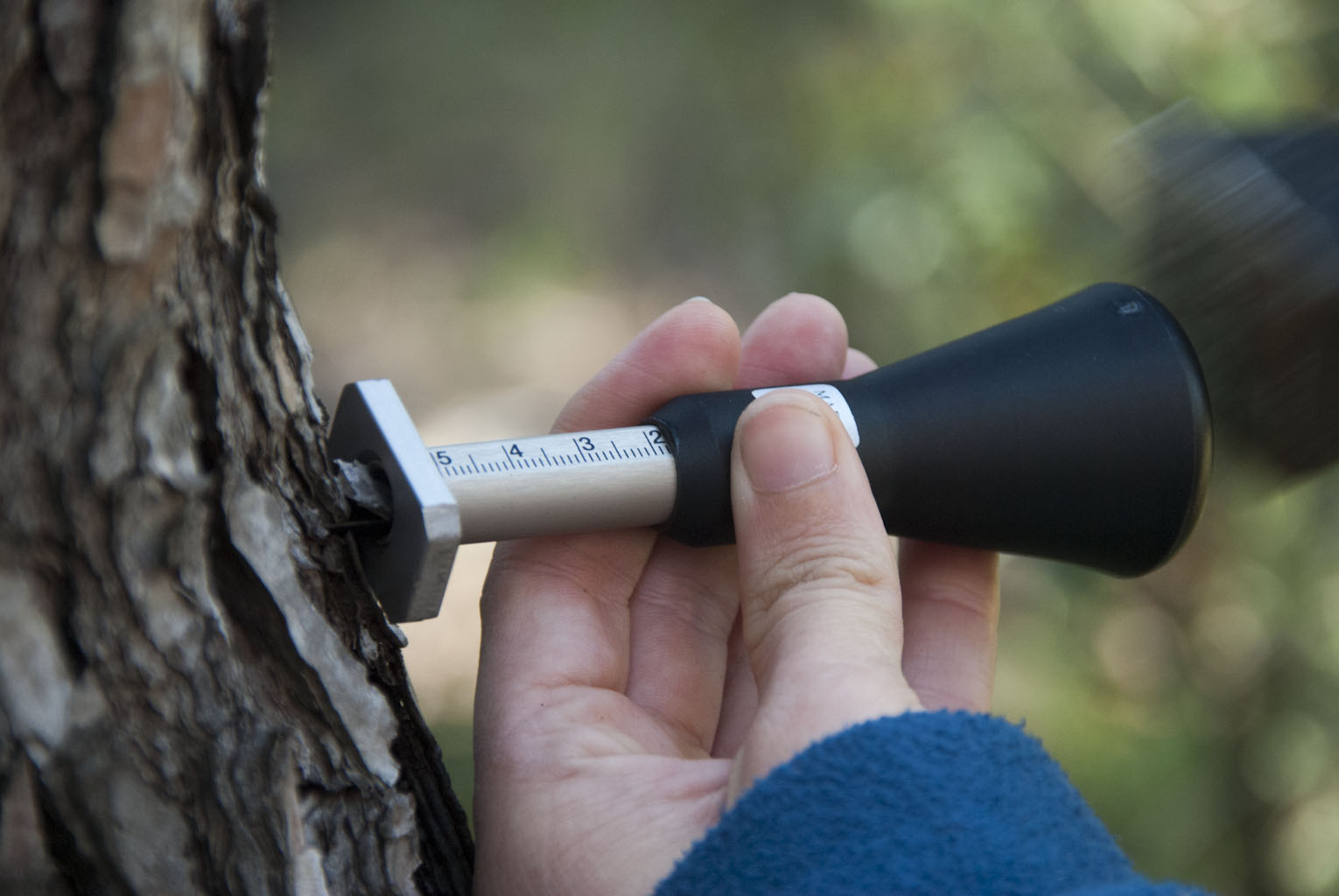
Climate change is expected to intensify the disturbance regime to which Mediterranean woodlands will be exposed. In this context, the implementation of management strategies oriented to enhance the adaptability of these systems to change is increasingly considered by forest agencies. In general, promoting the structural and compositional heterogeneity of forests stands is considered to increase their resilience face to disturbances. However, there is still few understanding on how the climatic and land-use changes (increasing temperature and drought, forest densification) can modulate the capacity of forest species to respond to disturbances. EST_RES aims at advancing in the comprenhension of the role of different environmental factors and the type of disturbance on the expression of response-strategies in Submediterranean woody species. Because the relative abundance of sprouting species is predicted to increase in these ecosystems, EST_RES will particularly focus on this response-strategy analyzing the main drivers of its expresion and the consequences for some key attributes of the soil.
Specific objectives of EST_RES are:
§ To contribute to discern the drivers of resprouting vigor of Submediterranean woody species
§ To characterise the mid-term post-fire dynamics of forest systems composed by contrasted proportions of resprouters and seeders
§ To determine the role of woody resprouting species on the dynamics of soil organic matter
§ To assess the persistence of forest stands in front to perturbations of forest stands with different composition of response strategies.
EST_RES will develop an interdisciplinary and multi-scale approach, with experiments in natural and controlled conditions. It will also take advantage of experimental sites established in the context of previous projects by the researchers involved on it. Finally the project will use all the knowledge gathered in these activities (together with existing bibliographic information) to develop indicators of forest persistence based on the structural and compositional characteristics of the stands useful for forest managers.
Related Papers:
Casals P, Valor T, Rios A I, Shipley B. 2018 Leaf and bark functional traits predict resprouting strategies of understory woody species after prescribed fires. For.Ecol.Manage. 429, 158-174.
Casals P, Rios AI. 2018. Burning intensity and low light availability reduce resprouting ability and vigor of Buxus sempervirens L. after clearing. Sci. Total Environ. 627c, 403-416
Valor T, Casals P, González-Olabarria JR, Piqué M, Battipaglia G. 2018. Disentangling the effects of crown scorch and competition release on the physiological and growth response of Pinus halepensis Mill using δ13C and δ18O isotopes. For. Ecol. Manage. 424, 276-287
Valor T, González-Olabarria JR, Piqué M, Casals P. 2017. The effects of burning season and severity on the mortality over time of Pinus nigra ssp. salzmannii (Dunal) Franco and P. sylvestris L. For. Ecol. Manage. doi:10.1016/j.foreco.2017.08.027
Valor T, Ormeño E, Casals P. 2017. Temporal effects of prescribed burning on terpene production in Mediterranean pines. Tree Physiology, doi:10.1093/treephys/tpx069
KEY WORDS: response traits, resilience, fire, mixed-forests, resprouting, post-disturbance dynamics, soil function


The post Est_Res. Response strategies of Mediterranean woodlands to natural or anthropogenic disturbances. Ministerio de Economía y Competitividad (MINECO, AGL2015-70425-R). 2016-2018 first appeared on Ecology and management of silvopastoral systems.
]]>The post Pere Casals first appeared on Ecology and management of silvopastoral systems.
]]>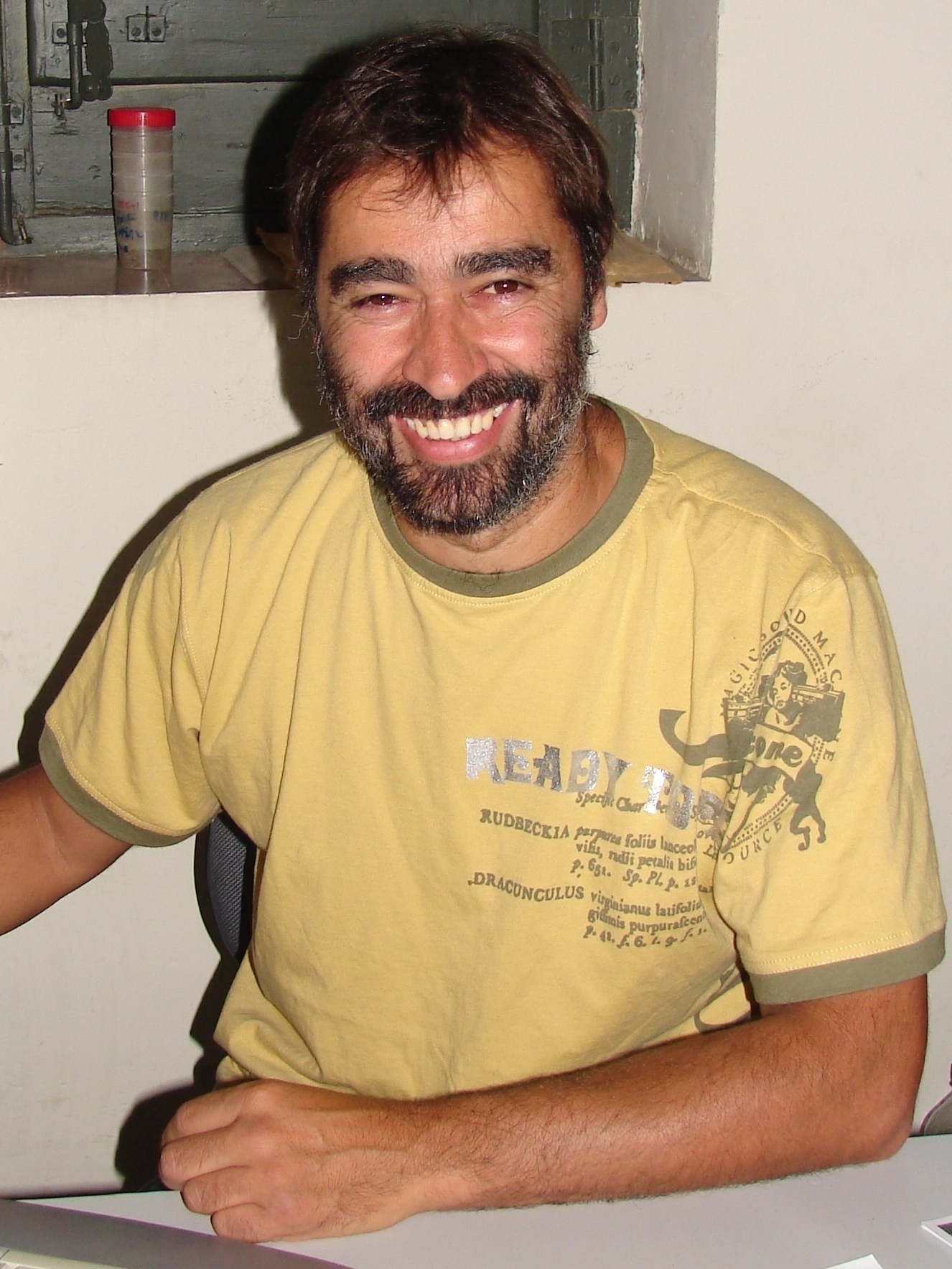
Dr. Pere Casals Tortras.
Certification of scientific productivity and science and transfer activity for the program I3 (Agencia Nacional de Evaluación)
Specialist in plant and soil relationships in agrosilvopastoral systems. With a background in plant and soil sciences, I have a PhD in the University of Barcelona addressing plant and soil N dynamics after prescribed fires. Broad experience in studying soil nutrient cycling and organic matter changes as affected by fire and afforestation. Skills using 13C, 14C and 15N as a soil and plant tracers and soil C fractionation. Involved in research projects assessing the effects forest management, land-use and climate changes on plant and soil relationships.
In order to contribute to a sustainable management of agrosilvopastoral systems, my research interest focuses on the effects of management derived perturbations (i.e. prescribed fires, grazing) or land use and climate stresses (i.e. land abandonment, drought, temperature increase) on plant dynamics, nutrient cycling and organic C stocks and fluxes. At the present I am full-time researcher at the Forest Sciences Centre of Catalonia, working to contribute to the comprehensive understanding of burning-driven mechanisms that determine functional shrub composition and structure and key components of soil.
Selected Papers:
Casals P, Valor T, Rios A I, Shipley B. 2018 Leaf and bark functional traits predict resprouting strategies of understory woody species after prescribed fires. For.Ecol.Manage. 429, 158-174.
Casals P, Rios AI. 2018. Burning intensity and low light availability reduce resprouting ability and vigor of Buxus sempervirens L. after clearing. Sci. Total Environ. 627c, 403-416
Casals P, Valor T, Besalú A, Molina-Terrén D 2016. Understory fuel load and structure eight to nine years after prescribed burning in Mediterranean pine forests. For. Ecol. Manage. 362, 156-168
Casals P, Lopez-Sangil L, Carrara A, Gimeno C, Nogués S, 2011. Autotrophic and heterotrophic contributions to short-term soil CO2 efflux following simulated summer precipitation pulses in a Mediterranean dehesa. Global Biogeochemical Cycles, 25, GB 3012, doi:10.1029/2010GB003973
Casals P, Garcia-Pausas J, Montané F, Romanyà J, Rovira P, 2010. Root decomposition in grazed and abandoned Mediterranean and mountain grasslands estimated by standard labelled roots. Agriculture, Ecosystems and Environment, 139: 759-765
Casals P, Baiges T, Bota G, Chocarro C, de Bello F, Fanlo R, Sebastià MT, Taull M. 2009. Silvopastoral systems in the Northeastern Iberian Peninsula. A Multifunctional Perspective. In: Rigueiro-Rodríguez A, McAdam JH, Mosquera-Losada MR (Eds) Agroforestry in Europe: Current Status and Future Prospects. Springer-Berlag. ISBN 978-1-4020-8271-9, Cap. 9, pp. 161-181
Casals P, Gimeno C, Carrara A, Lopez-Sangil L, Sanz MJ. 2009. Soil CO2 efflux and extractable organic carbon fractions under simulated precipitation events in a Mediterranean Dehesa. Soil Biology and Biochemistry, 41: 1915-1922.
Casals P, Romanya J, Vallejo VR 2005. Short-term N2 fixation by legume seedlings and resprouts after fire in Mediterranean old-fields. Biogeochemistry, 76(3) : 477- 501
The post Pere Casals first appeared on Ecology and management of silvopastoral systems.
]]>The post VULCA. Vulnerability of soil carbon in front of Global Change in grassland ecosystems: Effects of changes in rainfall regime in abandoned or burnt grasslands. Ministerio de Educación y Ciencia. 2006-2008. first appeared on Ecology and management of silvopastoral systems.
]]> Title: VULCA. Vulnerabilidad del C edáfico al cambio climático y de uso del suelo en ecosistemas pastorales: Efectos del cambio en el regimén de precipitación en pastos abandonados o quemados.
Funding Agency: Ministerio de Educación y Ciencia
Participating organizations: CEAM, UV
Duration: 2006-2008
PI: Casals P
Subproject Researchers: Rovira P; Montané, F; Lopez-Sangil, L.
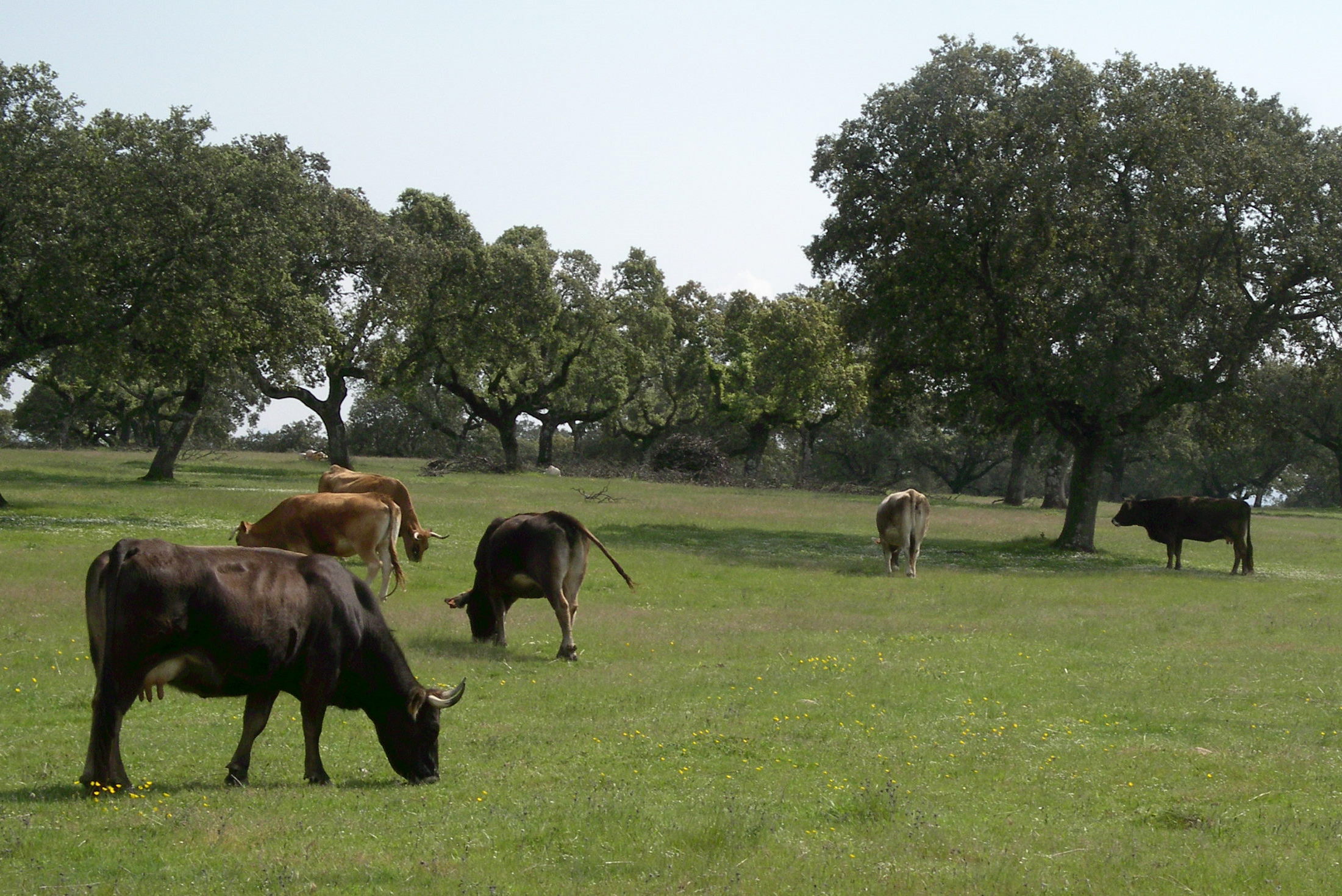
The aim of the project is to study the vulnerability of soil carbon in grassland systems, by means of studying the changes in soil carbon processes under different land uses and under Climatic Change scenarios. To do this, the project includes 3 sub-projects, designed to study fluxes of carbon in soil-plant systems (sub-project 1), fluxes between the ecosystem and the atmosphere (sub-project 2) and its extrapolation to a landscape scale (sub-project 3).
The objectives of the coordinated project are:
1. To measure how relevant are in the carbon cycle of grasslands the abiotic factors (temperature and humidity) and the biotic factors (plant biomass, organic matter quality).
2. To estimate the carbon fluxes to the atmosphere, to the passive fractions of soil organic matter, or to soluble C (DOC), as affected by changes in the rainfall regime, fires or land abandonment.

Related Papers:
Montané F, Casals P, Dale MRT, 2011. How spatial heterogeneity of cover affects patterns of shrub encroachment into mesic grasslands. PLoS ONE, in press.
Casals P, Lopez-Sangil L, Carrara A, Gimeno C, Nogués S, 2011. Autotrophic and heterotrophic contributions to short-term soil CO2 efflux following simulated summer precipitation pulses in a Mediterranean dehesa. Global Biogeochemical Cycles, 25, GB 3012, doi:10.1029/2010GB003973
Lopez-Sangil L, Rousk J, Wallander H, Casals P, 2011. Microbial growth measurements reveal that land-use abandonment promotes a fungal dominance of SOM decomposition in grazed Mediterranean ecosystems. Biology and Fertility of Soils, 47, 129–138 doi: 10.1007/s00374-010-0510-8
Casals P, Garcia-Pausas J, Montané F, Romanyà J, Rovira P, 2010 Root decomposition in grazed and abandoned Mediterranean and mountain grasslands estimated by standard labelled roots. Agriculture, Ecosystems and Environment, 139, 759-765
Montané F, Romanyà J, Rovira P, Casals P. 2010. Aboveground litter quality changes may drive soil organic carbon increase after shrub encroachment into mountain grasslands. Plant and Soil, 337, 151-165. Doi: 10.1007/s11104-010-0512-1
Montané F, Casals P, Dale MRT. 2010. Spatial patterns of shrub encroachment in neighbouring grassland communities in the Pyrenees: floristic composition heterogeneity drives shrub proliferation rates. Plant Ecology, 211, 267-278 Doi: 10.1007/s11258-010-9788-8
Casals P, Gimeno C, Carrara A, Lopez-Sangil L, Sanz MJ. 2009. Soil CO2 efflux and extractable organic carbon fractions under simulated precipitation events in a Mediterranean Dehesa. Soil Biology and Biochemistry, 41: 1915-1922.
Montané F, Casals P, Taull M, Lambert B, Dale M R T, 2009. Spatial patterns of shrub cover after different fire disturbances in the Pyrenees. Annals of Forest Science, 66:612
Montané F, Rovira P, Casals P. 2007. Shrub encroachment into mesic mountain grasslands in the Iberian peninsula: Effects of plant quality and temperature on soil C and N stocks. Global Biogeochemical Cycles, 21, doi:10.1029/2006GB002853
The post VULCA. Vulnerability of soil carbon in front of Global Change in grassland ecosystems: Effects of changes in rainfall regime in abandoned or burnt grasslands. Ministerio de Educación y Ciencia. 2006-2008. first appeared on Ecology and management of silvopastoral systems.
]]>The post Jordi Garcia-Pausas first appeared on Ecology and management of silvopastoral systems.
]]>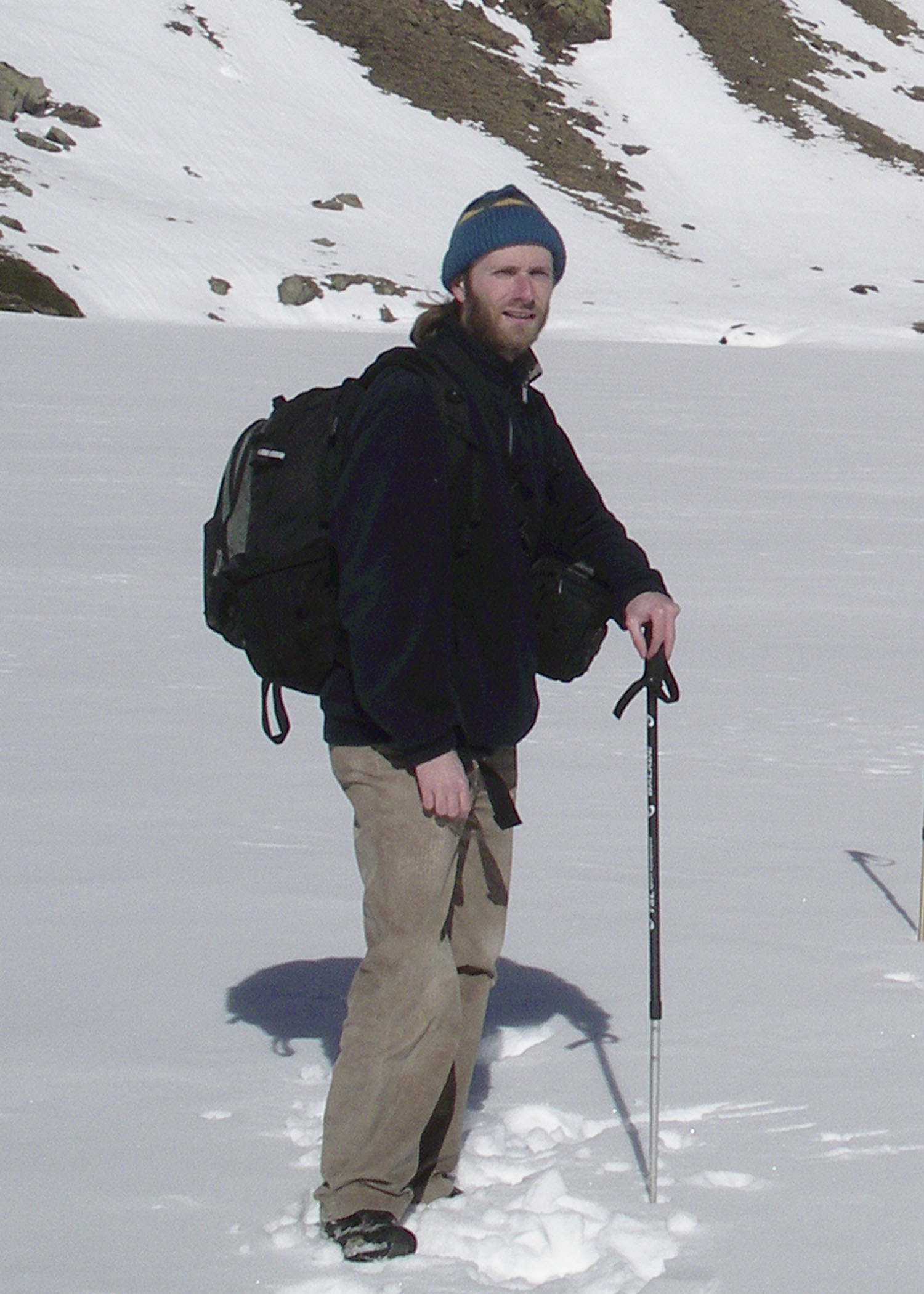
Jordi Garcia-Pausas. PhD.
Research Scientist specialized in soil C and N stocks and dynamics in grasslands. Working on priming effects in different soil C and nutrient scenarios.
Selected Papers:
Garcia-Pausas J, Romanyà J, Montané F, Ríos A, Taull M., Rovira P, Casals P, 2017. Are soil carbon stocks in mountain grasslands compromised by land-use changes?. In Jordi Catalan, Josep Mª Ninot, Merce Aniz (Eds.) High Mountain Conservation in a Changing World. Advances in Global Change Research. Springer Open 9, pp. 207 -230.
Garcia-Pausas, J., Paterson, E., 2011. Microbial community abundance and structure are determinants of soil organic matter mineralisation in the presence of labile carbon. Soil Biology & Biochemistry, 43: 1705-1713.
Garcia-Pausas J, Casals P, Romanya J, Vallecillo S. Sebastià MT, 2011. Seasonal patterns of belowground biomass and productivity in mountain grasslands in the Pyrenees. Plant and Soil, 340: 315-326
Garcia-Pausas J, Casals P, Camarero Ll, Huguet C, Sebastià MT, Thomson R, Romanya J, 2008. Factors regulating carbon mineralization in the surface and subsurface soils of the Pyrenean mountain grasslands. Soil Biology and Biochemistry. doi:10.1016/j.soilbio.2008.08.001
Garcia-Pausas J, Casals P, Camarero Ll, Huguet C, Sebastià MT, Thomson R, Romanya J, 2007. Soil organic carbon storage in mountain grasslands of the Pyrenees: Effects of climate and topography. Biogeochemistry, 82: 279-289
The post Jordi Garcia-Pausas first appeared on Ecology and management of silvopastoral systems.
]]>The post Luis Lopez-Sangil first appeared on Ecology and management of silvopastoral systems.
]]> Luis Lopez Sangil. PhD.
Current address: Dprt. of Environment, Earth & Ecosystems, The Open University (UK)
His research in the CTFC focused on the soil carbon stabilization in Mediterranean agroecosystems and the interactions of organic matter with the microbial and the mineral components in soils. Currently working on the functional fractionation of the mineral-stabilized SOM.
Selected papers:
Lopez-Sangil L, Rovira P, Casals P 2013. Decay and vertical reallocation of organic C, and its incorporation into carbonates, in agricultural soil horizons at two different depths and rewetting frequencies. Soil Biology and Biochemistry 61, 33-44
Lopez-Sangil L, Rovira P 2013. Sequential chemical extractions of the mineral- associated soil organic matter: an integrated approach for the fractionation of organo- mineral complexes. Soil Biology and Biochemistry 62, 57-67.
Lopez-Sangil L, Rousk J, Wallander H, Casals P, 2011. Microbial growth measurements reveal that land-use abandonment promotes a fungal dominance in grazed Mediterranean ecosystems. Biology and Fertility of Soils 47, 129 – 138.
Casals P, Lopez-Sangil L, Carrara A, Gimeno C, Nogués S, 2011. Autotrophic and heterotrophic contributions to short-term soil CO2 efflux following simulated summer precipitation pulses in a Mediterranean dehesa. Global Biogeochemical Cycles 25, GB3012.
Lopez-Sangil L, Rovira P, 2011. Individual closed chamber: an alternative method for quantifying 14C in both labeled organic and inorganic carbon substrates. Biogeochemistry, DOI 10.1007/s10533-011-9643-6.
The post Luis Lopez-Sangil first appeared on Ecology and management of silvopastoral systems.
]]>The post Pere Rovira first appeared on Ecology and management of silvopastoral systems.
]]>
 Pere Rovira Castella PhD.
Research Scientist with expertise in soil nutrients and organic matter dynamics. Expertise in physical and chemical fractionation of soil organic matter, and biochemical characterization of the obtained fractions. Involved in projects devoted to the quantification of soil C stocks at the whole-country level.
Selected Papers:
Rovira P, Rovira R, 2010. Mathematical description of litter decomposition: Towards a generalised exponential approach. Geoderma, 155: 329-343.
Rovira P, Jorba M, Romanyà J, 2010. Active and passive organic matter fractions in Mediterranean forest soils. Biology and Fertility of Soils, 46: 355-369.
Rovira P, Duguy B, Vallejo VR, 2009. Black carbon in wildfire-affected mediterranean shrubland soils. Journal of Plant Nutrition and Soil Science, 172: 43-52.
Rovira P, Kurz-Besson C, Hernàndez P, Coûteaux MM, Vallejo VR, 2008. The amino acid signature of decomposing litter. Plant and Soil, 307: 149-166.
The post Pere Rovira first appeared on Ecology and management of silvopastoral systems.
]]>